
INSIDE ONE OF INDIA'S LEADING CABLE MANUFACTURING FACILITIES
Inside Elegar Kerpen's Chakan plant near Pune, electron-beam curing, precision drawing, and extrusion lines and in-house testing turn out wires and cables for oil and gas, rail, solar, marine, and defence users in more than 40 countries how one Indian cable maker builds to international standards.
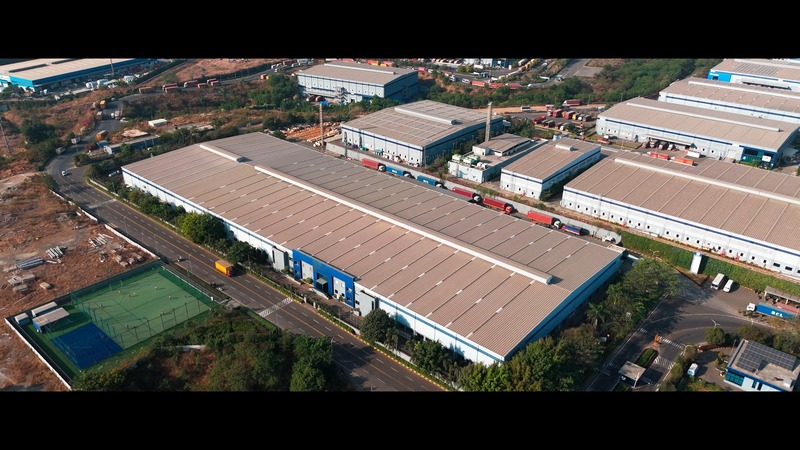
As global industries increasingly look to India for reliable industrial components, the country's cable manufacturing sector has responded with greater scale and stricter standards. One example is Elegar Kerpen - formerly LEONI Cable Solutions (India) Pvt. Ltd. - a Pune-based manufacturer that exports wires and cables to more than 40 countries. Operating from its facility in Chakan, the company supplies oil and gas, petrochemicals, steel, pharmaceuticals, solar, defence, and railway sectors.
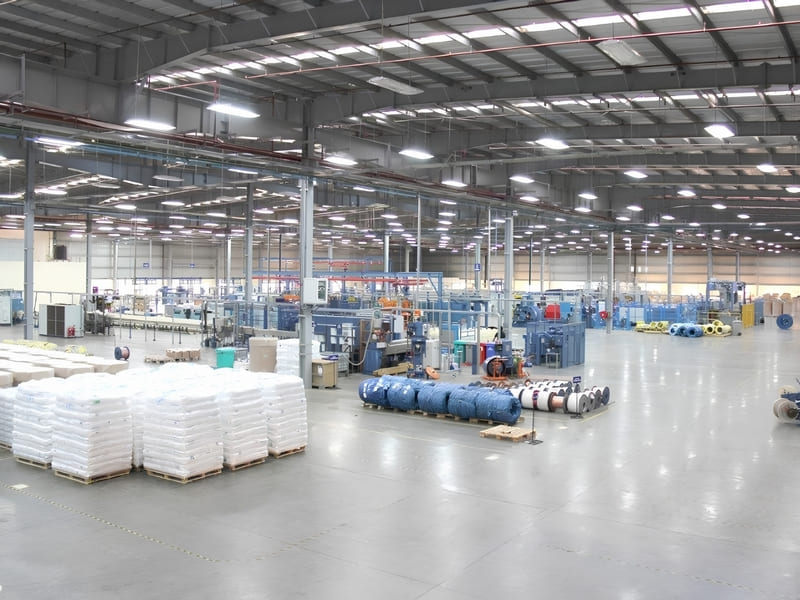
The plant is purpose-built for cable and wire production and is certified to ISO 9001, ISO 14001 and ISO 45001. Its high-capacity production lines are designed to meet large-scale industrial demand across multiple product categories. Central to the operation is an electron-beam line with hybrid crossfire technology, described by the company as the first of its kind in India. Electron-beam processing cross-links the polymer, improving mechanical strength, widening the operational temperature range, and raising overall cable reliability. Energy-efficient practices are integrated throughout the facility.
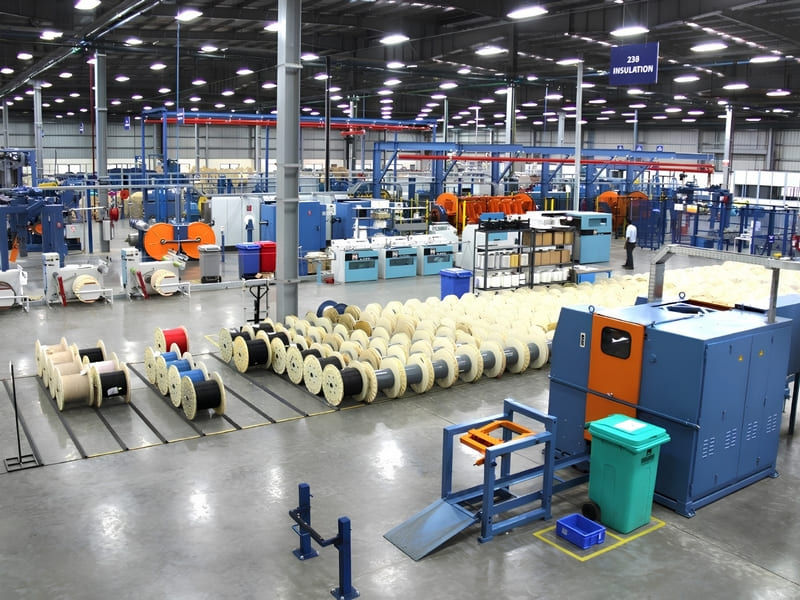
On the production floor, high-speed machinery is sourced from established suppliers including Vivirad, Niehoff, Rosendahl, Stolberger, and Queins. Conductor drawing and stranding machines maintain precise lay lengths and consistent conductor geometry, while extrusion lines apply insulation and sheathing to tight dimensional tolerances using diameter control. Armouring machines add metallic protection for cables intended for harsh environments, and jacketing lines finish each cable with materials matched to its thermal, chemical and mechanical requirements. The set-up allows production in compliance with IEC, IS, BS, ASTM, EN, VDE, DIN, UL, RDSO, and MIL standards.
The product range is built around specific industrial applications. Instrumentation and thermocouple cables handle signal transmission and temperature sensing in electrically noisy or chemically aggressive settings such as steel, glass, and power plants, while ProfiBus and FieldBus cables support high-speed communication between controllers, sensors, and actuators in automated systems. For the oil and gas industry, ALNYC cables use a multi-layer aluminium and polymer sheath as a modern replacement for lead-sheathed designs. Power and control cables cover high-load distribution and panel connections, while railway cables and locomotive and coach harnesses are built to RDSO and EN standards for rolling stock. Solar cables meet EN, IEC and IS requirements for photovoltaic and DC transmission, and naval and marine-grade cables are engineered to resist saltwater corrosion, fire and mechanical stress for vessels and offshore platforms.
Quality control is built into every production stage through in-house testing. Depending on cable type and application, products undergo checks that can include conductor resistance, high-voltage and insulation-resistance testing, spark testing, flame propagation and fire-survival (CWZ) testing, thermal endurance, UV and weathering resistance, smoke density, toxicity and ozone resistance, alongside mechanical and electrical performance and application-specific evaluations. Every cable passes in-process and final inspection before dispatch, ensuring compliance with the relevant domestic and international standards.
By combining electron-beam technology, a broad product range, and comprehensive in-house testing, Elegar Kerpen positions its Chakan operation among India's more advanced cable manufacturing sites aimed squarely at industries where reliability is critical.
- Created on .


